Historic Commercial Roofing: Preserving Queen City Architecture
The Queen City is home to some of the most stunning historic architecture in the Midwest. From the ornate Italianate facades lining our downtown streets to the sprawling vintage industrial spaces that have been repurposed for modern businesses, these structures tell the story of our region's rich heritage. However, for property managers and real estate investors, owning a piece of history comes with a unique set of responsibilities. One of the most critical challenges is maintaining and upgrading the roofing systems that protect these valuable assets.
Historic commercial buildings require a delicate balance. You need modern, durable materials that can withstand the unpredictable nature of Ohio Valley Weather, but you also must respect the original architectural integrity of the structure. Whether you are managing a multi-family residential building or a bustling retail space in Cincinnati, understanding the nuances of historic commercial roof restoration techniques is essential for protecting your investment and ensuring the safety of your tenants.
Navigating Historic Preservation and Building Codes
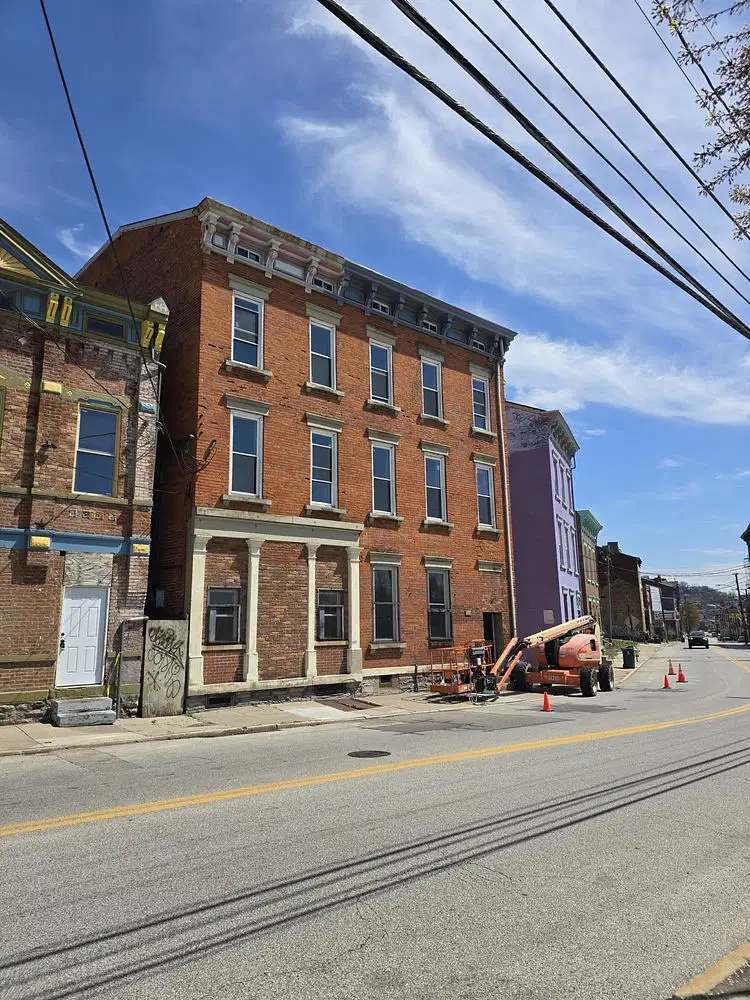
One of the most common questions property owners ask is whether they need a building permit for a roof replacement. The short answer is almost always yes, but when you are dealing with historic properties, the process becomes significantly more complex. Navigating strict local building codes and historic preservation guidelines can be a major hurdle, particularly in protected neighborhoods like OTR.
Failing to adhere to these guidelines can lead to costly fines, project delays, and forced work reversals. Furthermore, there has been a recent trend toward stricter enforcement of Ohio building codes, particularly regarding wind-resistance ratings and ice-and-water shield requirements. This is why it is crucial to partner with a roofing contractor who understands the local regulatory landscape. A knowledgeable team will handle the permitting process, ensure compliance with historic boards, and guarantee that all work meets the latest safety and structural standards without compromising the building's vintage charm.
Specialized Roofing Materials for Vintage Buildings
Maintaining flat roofs on historic properties presents a specific set of challenges. Many older commercial buildings were designed with flat or low-slope roofs that, over decades of settling, may suffer from poor drainage and pooling water. When you combine this with our region's rapid freeze-thaw cycles and high summer humidity, choosing the right material is paramount.
Today, we have access to advanced materials that offer superior protection while remaining virtually invisible from the street level, preserving the historic sightlines of the building. For many vintage commercial properties, modified bitumen roofing is an excellent choice. This multi-ply system provides exceptional waterproofing and flexibility, allowing it to expand and contract with the building during extreme temperature shifts.
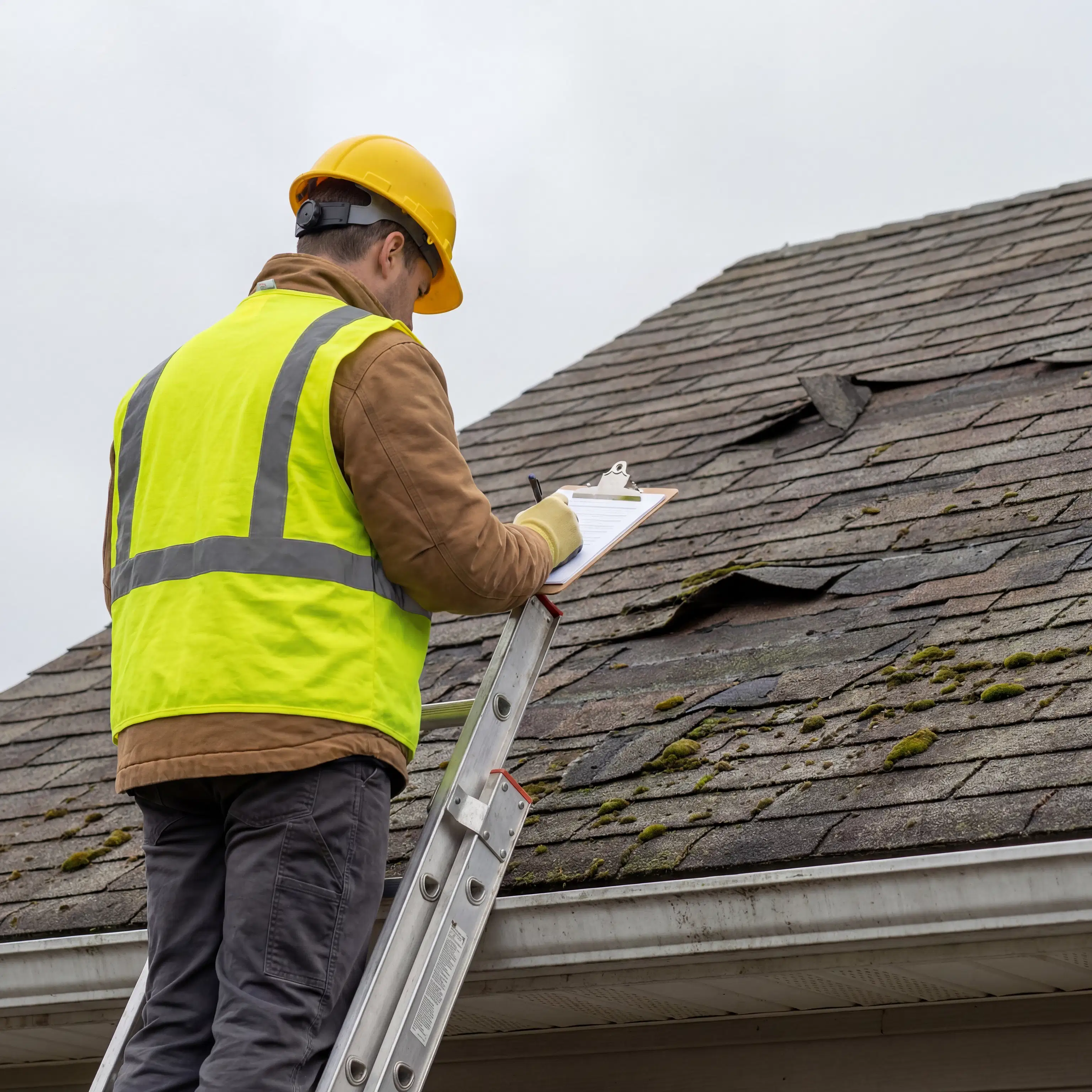
Before any materials are chosen, however, a thorough assessment is required. To avoid unnecessary foot traffic on fragile historic structures, modern contractors are increasingly utilizing drone-assisted roof inspections. This technology allows for highly accurate, contactless estimates and 3D aerial modeling, ensuring that every vulnerability is identified before the project begins.
The Importance of Box Gutters in Historic Architecture
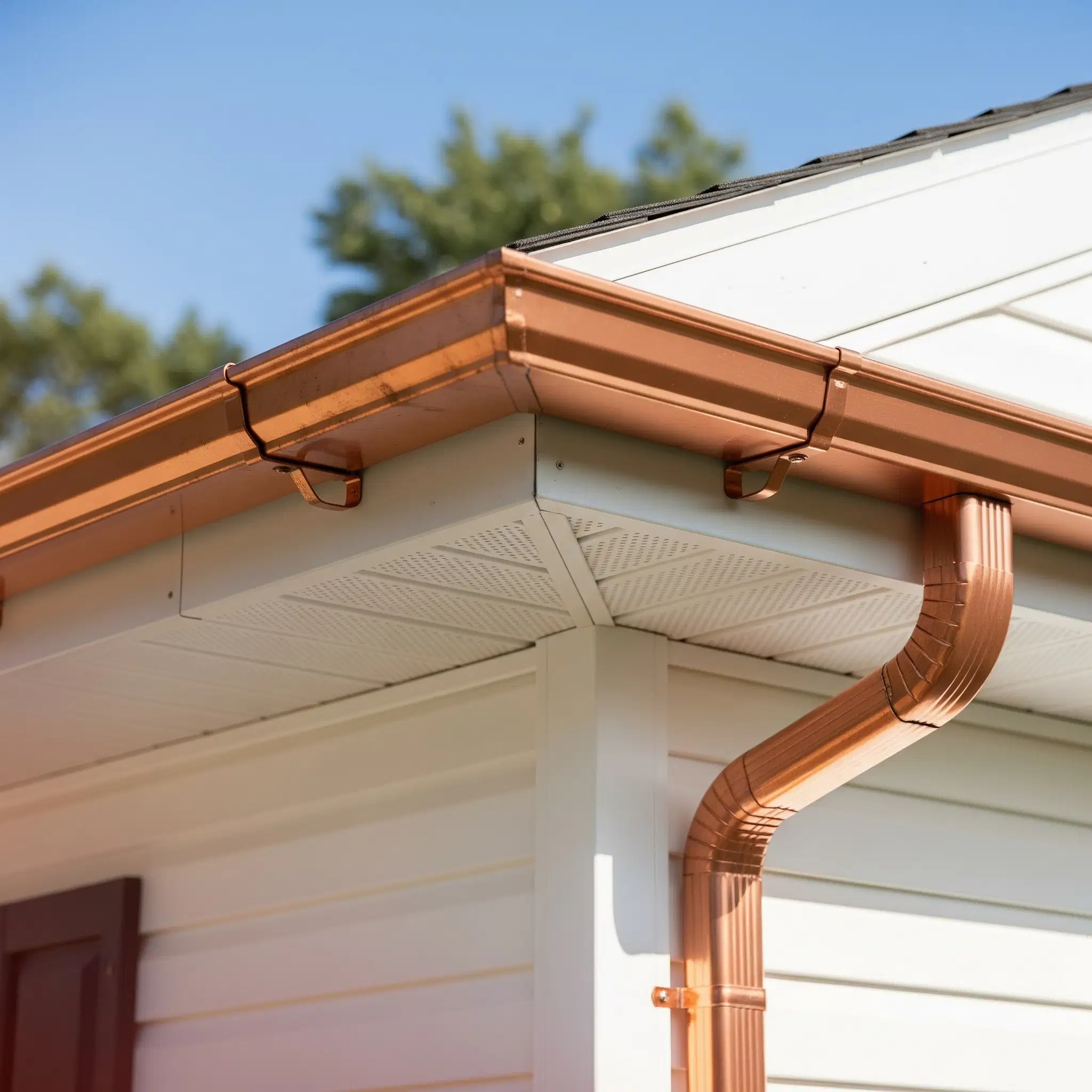
If you own a historic commercial building, you are likely familiar with box gutters. Unlike modern aluminum gutters that hang off the edge of the roof, box gutters are built directly into the overhang or cornice of the building itself. They are a defining feature of 19th and early 20th-century architecture, designed to handle heavy rainfall while remaining hidden from view.
Because they are integrated into the structure's wood framing, a failing box gutter is a serious emergency. If the metal lining cracks or the wood begins to rot, water doesn't just spill over the edge; it seeps directly into the walls, damaging the masonry, interior plaster, and structural supports. Proper box gutter repair for vintage buildings requires specialized carpentry and metalworking skills that go far beyond standard roofing practices.
Investing in professional soffit/box gutter repair & replacement is one of the most effective ways to preserve the structural integrity of an older building. By ensuring water is properly diverted away from the facade and foundation, you can prevent catastrophic interior damage and avoid the need for extensive, emergency roof repair down the line.
Minimizing Disruption for Commercial Tenants
For property managers and real estate investors, a major roof replacement is a significant capital expense that also brings logistical headaches. When you are managing a multi-family property or an active commercial space, you cannot afford to have your tenants' daily lives or business operations severely disrupted by a chaotic construction site.
Efficiency and clear communication are just as important as the quality of the materials used. A professional commercial roofing project should be managed with strict timelines, organized staging areas for materials, and a commitment to daily site cleanup. This ensures that walkways remain safe, parking lots are accessible, and the overall impact on the building's occupants is kept to an absolute minimum. Furthermore, because cash flow is always a consideration for large-scale property improvements, working with a contractor who offers transparent, detailed estimates and flexible financing options can help you manage the investment without straining your operational budget.
Partnering with a Trusted Local Expert
When it comes to specialized roofing for historic commercial buildings, local reputation and proven experience matter. Out-of-state contractors or storm chasers simply do not have the deep understanding of our local architecture, weather patterns, or municipal codes required to execute these complex projects successfully. You need a partner who is fully licensed, properly insured, and capable of providing manufacturer-backed warranties on both materials and workmanship.
At Turner Roofing Solutions, we are dedicated to helping property owners across The Tri-State protect their commercial investments while preserving the architectural beauty of our communities. We understand the unique needs of property managers and investors, and we pride ourselves on delivering durable, efficient roofing systems with minimal disruption to your tenants.
If you are concerned about the condition of your historic commercial roof, or if you are planning a major restoration project, we are here to help. Contact us today to schedule a comprehensive inspection and discover how our tailored commercial roofing services can safeguard your property for decades to come.