Navigating Commercial Roofing Permits and Building Codes
Upgrading or replacing a commercial roof is a significant capital expense for property managers, business owners, and real estate investors. Beyond selecting the right materials and scheduling the work, there is a complex web of regulatory hurdles to clear before the first piece of old roofing is even removed. For businesses operating in Cincinnati, understanding commercial roofing permit requirements and local building codes is just as critical as the physical installation itself.
Failing to secure the proper documentation or ignoring municipal guidelines can lead to costly project delays, hefty fines, or even forced work stoppages. In a worst-case scenario, a non-compliant roof might have to be completely torn off and reinstalled. Navigating these strict local building codes requires more than just basic construction knowledge; it requires a deep understanding of regional regulations, safety standards, and the specific environmental challenges of our area. By partnering with an experienced contractor who handles the red tape behind the scenes, property owners can protect their investments and ensure a smooth, legally compliant project from start to finish.
Understanding Ohio Building Codes and Safety Standards
The Ohio Valley weather is notoriously unpredictable, bringing everything from heavy spring rains and high winds to rapid freeze-thaw cycles during the winter months. Because of these volatile weather patterns, local municipalities have adopted stricter enforcement of building codes to ensure commercial structures can withstand the elements. Achieving flat roof building code compliance means ensuring your new system is engineered to handle heavy snow loads, resist severe wind uplift, and manage water runoff efficiently to prevent structural damage or interior leaks.
Modern building codes often require specific insulation R-values to improve energy efficiency, as well as specialized ice-and-water shields in vulnerable areas. A reputable roofing partner will conduct a thorough assessment of your building's current structural integrity to ensure that the new roofing system meets or exceeds these updated municipal standards.
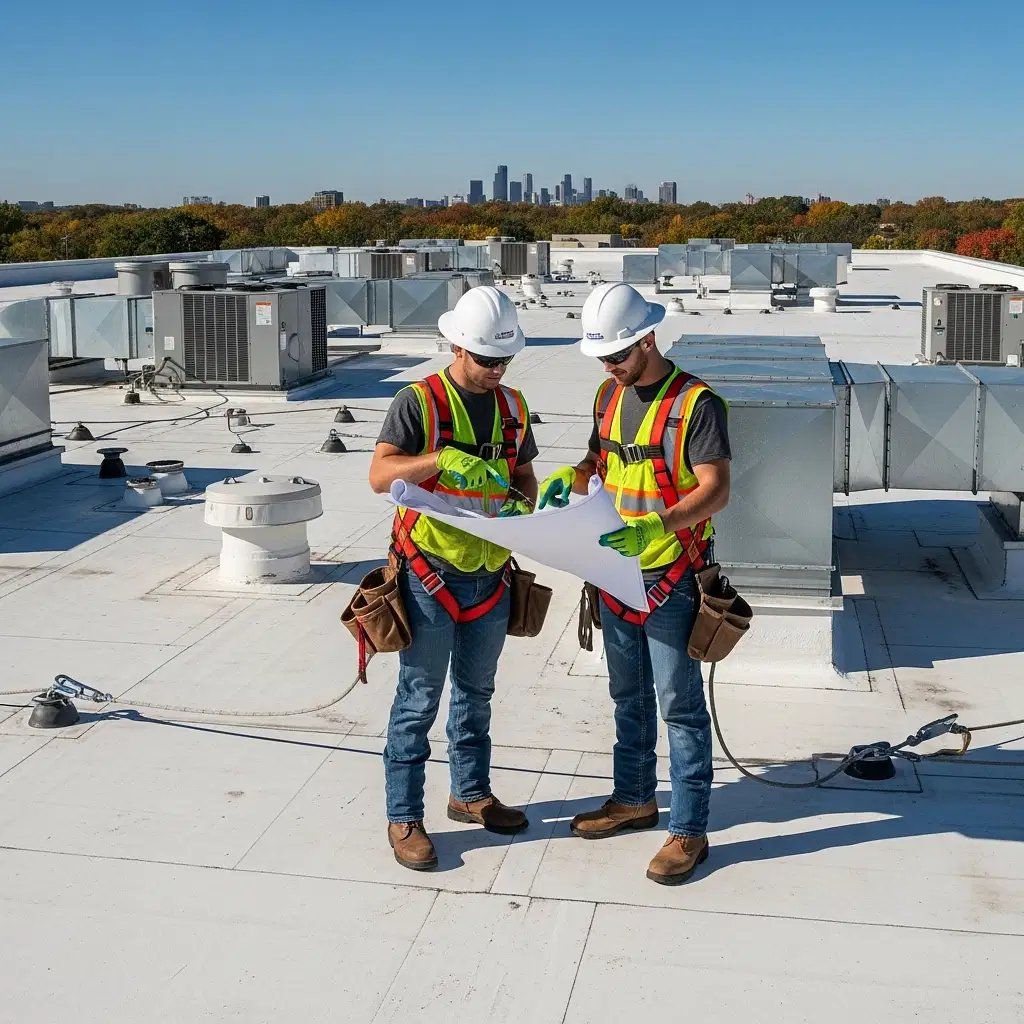
Furthermore, commercial projects must adhere strictly to OSHA safety standards for commercial roofing. These federal regulations mandate comprehensive fall protection systems, including warning line systems, safety nets, and personal fall arrest systems for all workers on the roof. Compliance with OSHA standards is not just about protecting the crew; it also shields property owners from severe liability in the event of an accident. A professional contractor will establish a site-specific safety plan, secure all necessary permits, and ensure every safety protocol is met before any equipment is brought onto your property.
Historic Districts and Specialized Regulations
Operating a business in one of our city's older, culturally rich neighborhoods adds another layer of complexity to property maintenance. If your commercial building is located in OTR or another designated historic area, you will likely face historic district roofing regulations for businesses. These specialized guidelines are enforced by local conservation boards to preserve the architectural heritage and visual character of the neighborhood.
Historic district regulations often dictate the types of materials that can be used, the visible profile of the roofline, the style of the gutters, and even the specific colors allowed. For example, replacing an original metal roof with a modern synthetic alternative might require special approval or a specific installation method to mimic the historical aesthetic. Navigating these preservation guidelines requires a contractor who understands the local landscape and has a proven track record of working directly with historic conservation boards. They can provide the necessary material samples, detailed architectural drawings, and historical documentation required to get your project approved without unnecessary friction or delays.
Choosing the Right Commercial Roofing System for Compliance
Selecting the right material is a major part of meeting code requirements and achieving long-term energy efficiency for your building. Modern commercial roofing systems are designed to withstand severe weather while actively lowering your building's cooling costs. Depending on your building's structural requirements, foot traffic, and budget, there are several excellent options that meet strict local codes.
TPO Roofing is highly popular for its heat-reflective properties and exceptional durability against chemical exposure and UV rays. It is an excellent choice for businesses looking to improve their energy efficiency and meet modern environmental building codes.
EPDM Roofing offers incredible longevity and flexibility, making it a staple for large flat roofs that experience significant temperature fluctuations. Its proven track record makes it a reliable choice for meeting standard commercial building requirements.
If your facility experiences high foot traffic, houses heavy rooftop HVAC equipment, or is exposed to harsh industrial chemicals, PVC Roofing provides exceptional puncture resistance and structural strength.
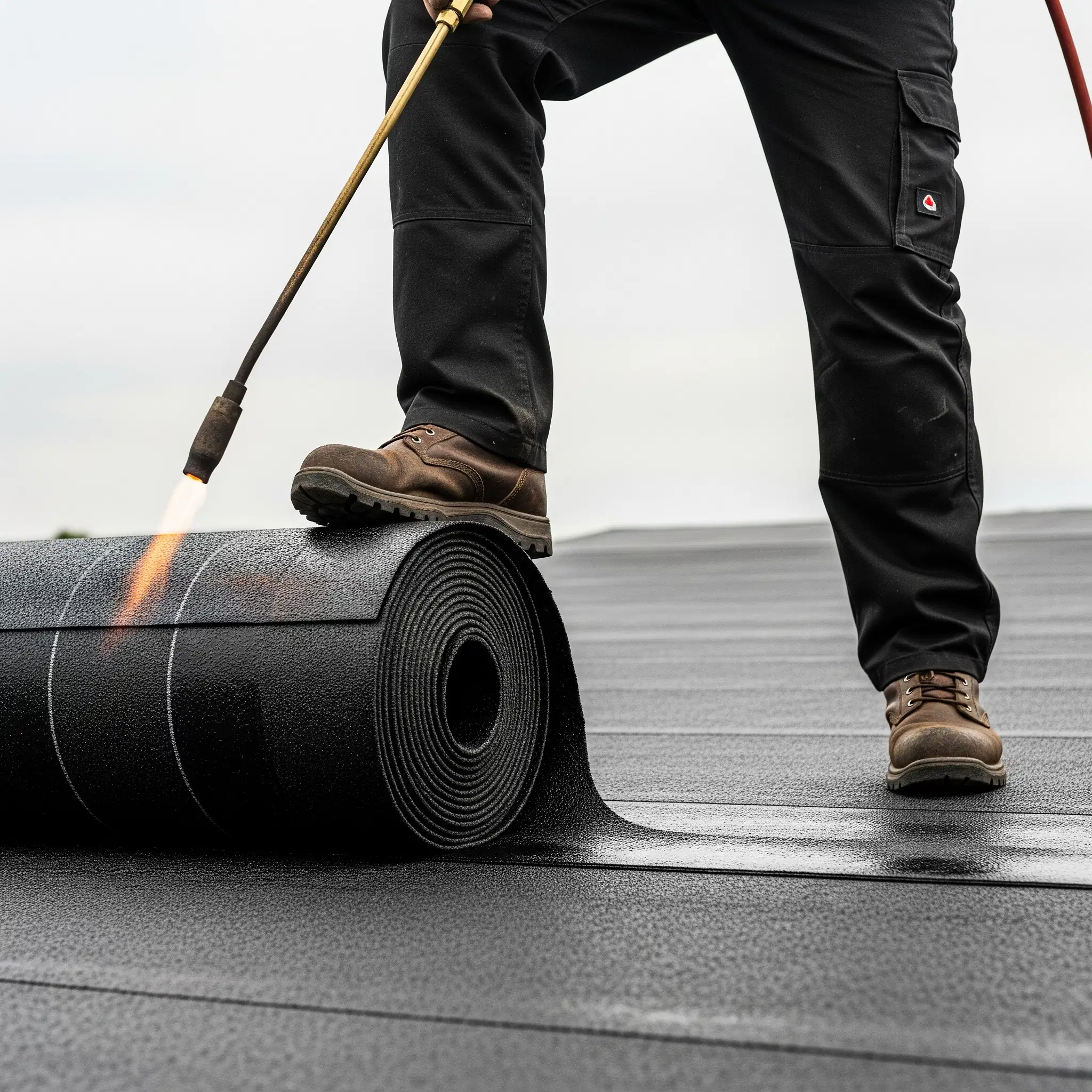
Alternatively, Modified Bitumen Roofing remains a trusted choice for its multi-ply redundancy and proven performance in harsh climates. Each of these systems has specific installation codes regarding fastening patterns, seam welding, and edge detailing. Your contractor will ensure the chosen material aligns perfectly with local regulations and manufacturer specifications to guarantee your warranty remains valid.
The Importance of a Trusted Local Partner
For landlords and property managers, the actual installation process can be a significant source of anxiety. You need the work done correctly and up to code, but you also need to minimize disruption for your tenants and maintain daily business operations. This is where a professional project management approach makes all the difference.
A dedicated commercial roofing partner will coordinate material deliveries to avoid blocking customer entrances, establish safe staging areas that protect tenant vehicles, and communicate daily progress to property managers. By managing the logistics, securing the permits, and ensuring regulatory compliance seamlessly, a professional team allows you to focus on running your business rather than worrying about what is happening above your ceiling.
Replacing or repairing a commercial roof does not have to be a logistical nightmare. By partnering with an experienced local team, you can ensure that every permit is pulled, every code is met, and your investment is protected for decades to come. If you are managing a commercial property in the Tri-State area and need a reliable partner for your next project, Turner Roofing Solutions is here to help. From comprehensive roof installation and repair to routine maintenance, we have the expertise to handle your commercial needs safely and efficiently. Reach out to us through our Contact Us page to schedule a consultation and keep your business covered.