Protecting Commercial Kitchen Roofs: Why PVC is the Ultimate Solution
Running a successful restaurant or managing a food service property in Cincinnati comes with a distinct set of operational challenges. Between managing supply chain logistics, staffing a bustling kitchen, and keeping patrons happy, property maintenance often takes a backseat until a major issue arises. However, for commercial kitchens, the roof overhead is subjected to an invisible, daily assault that most other commercial properties never have to endure.
The Queen City is known for its vibrant culinary scene, from historic diners to modern gastronomy hubs. But the very thing that makes these businesses thrive—the cooking—creates a harsh environment for the building's exterior. Animal fats, vegetable oils, and heavy grease vapor get pulled through exhaust hoods and deposited directly onto the roofing surface. Over time, this constant exposure can completely destroy standard roofing materials, leading to catastrophic leaks, costly disruptions, and emergency closures.
For property managers and restaurant owners, understanding how to defend your building against these harsh elements is crucial to protecting your capital investment. Let's explore why standard roofs fail under these conditions and how upgrading your roofing system can save you from premature structural failures.
The Hidden Danger of Restaurant Exhaust
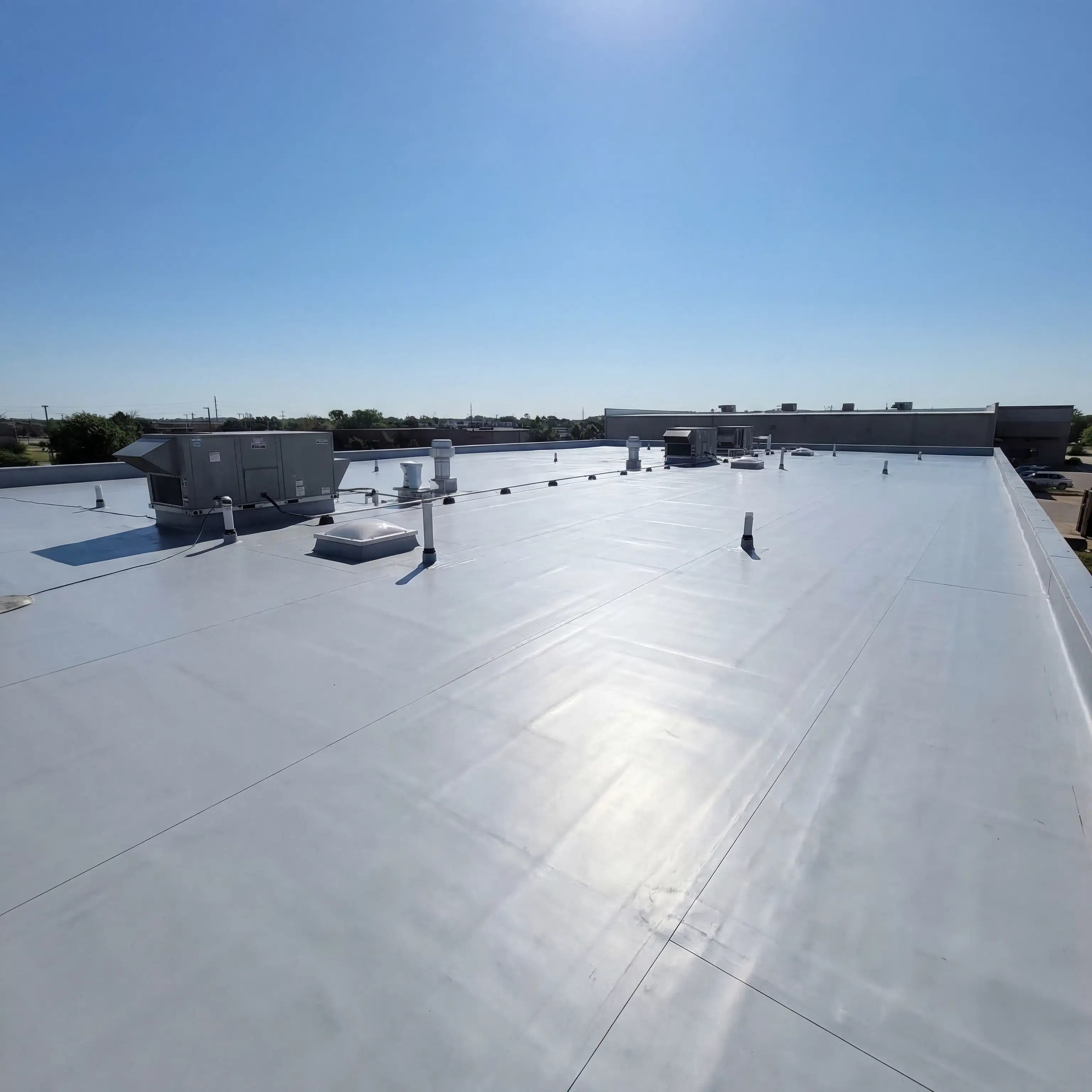
To understand the solution, you first have to understand the problem. Commercial kitchens rely on powerful ventilation systems to pull heat, smoke, and grease-laden air out of the kitchen. While these systems do a fantastic job of keeping the indoor air quality safe for chefs and staff, they expel those harsh byproducts straight up onto the roof.
Animal fats and cooking oils are highly acidic. When they settle on traditional commercial roofing materials—like standard rubber (EPDM) or basic asphalt—they cause a rapid chemical breakdown. The oils cause the rubber to swell, blister, and ultimately dissolve into a spongy, ineffective mess.
Protecting commercial flat roofs from restaurant grease is not just about keeping the surface clean; it is about choosing a material that will not chemically react with the exhaust fallout. When you combine the acidic nature of cooking grease with unpredictable Ohio Valley weather, the degradation accelerates. The rapid freeze-thaw cycles we experience can cause compromised, grease-soaked roofing membranes to crack and split open during the winter, inviting moisture directly into the building's insulation and interior framework.
Furthermore, grease accumulation is a severe fire hazard. A compromised roof saturated with combustible oils poses a massive risk to the entire property. This is why property investors and landlords need a proactive strategy, rather than waiting for a failure to happen.
Why PVC Outperforms the Rest
When evaluating the best flat roof for restaurants with grease exhaust, roofing professionals consistently point to one clear winner: Polyvinyl Chloride, commonly known as PVC.
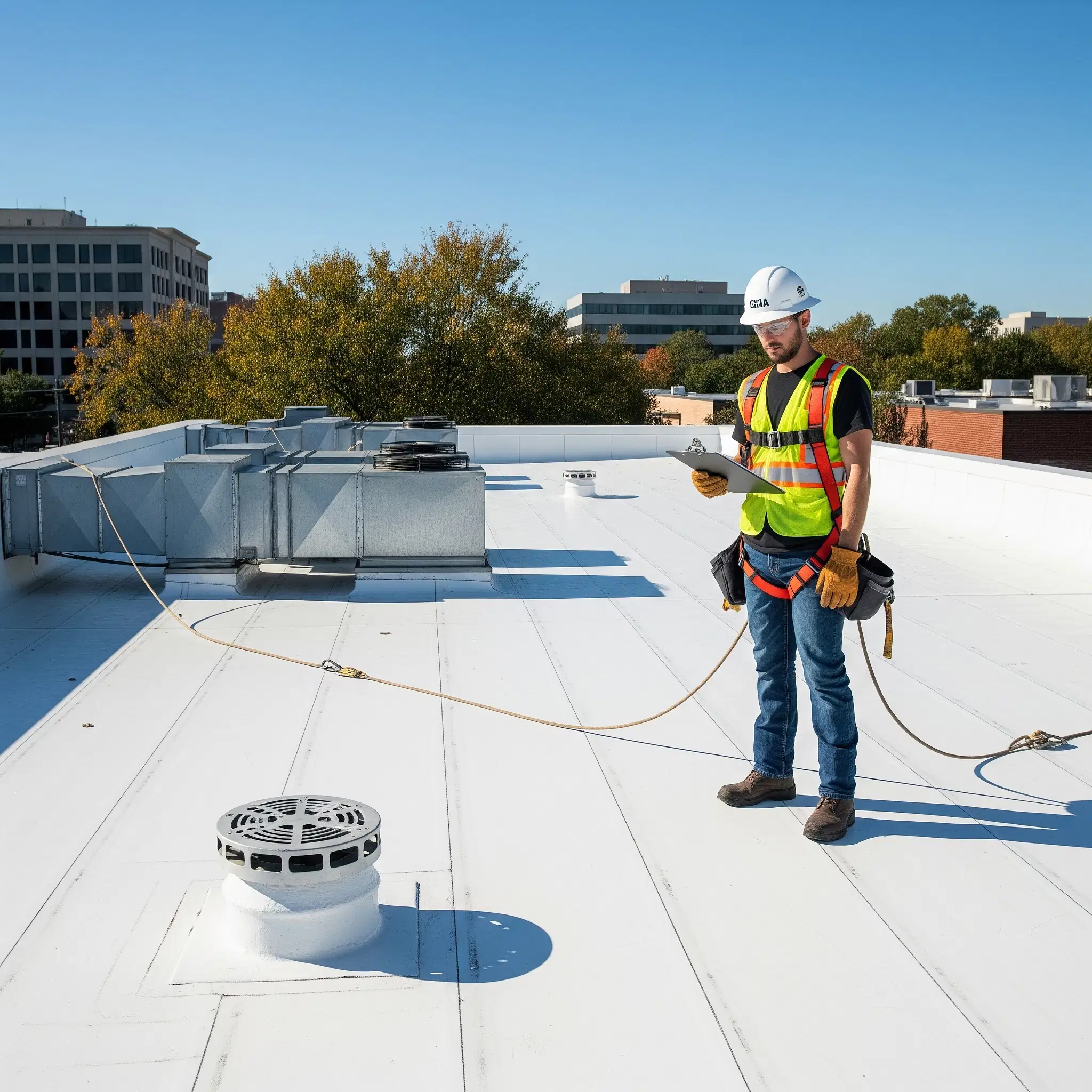
PVC roofing systems are engineered specifically to handle harsh industrial and commercial environments. Unlike rubber roofs that absorb oils, PVC is highly resistant to chemical and environmental damage. By investing in chemical resistant commercial roofing membranes, restaurant owners can ensure their roof won't deteriorate when exposed to the inevitable venting of animal fats and cooking oils.
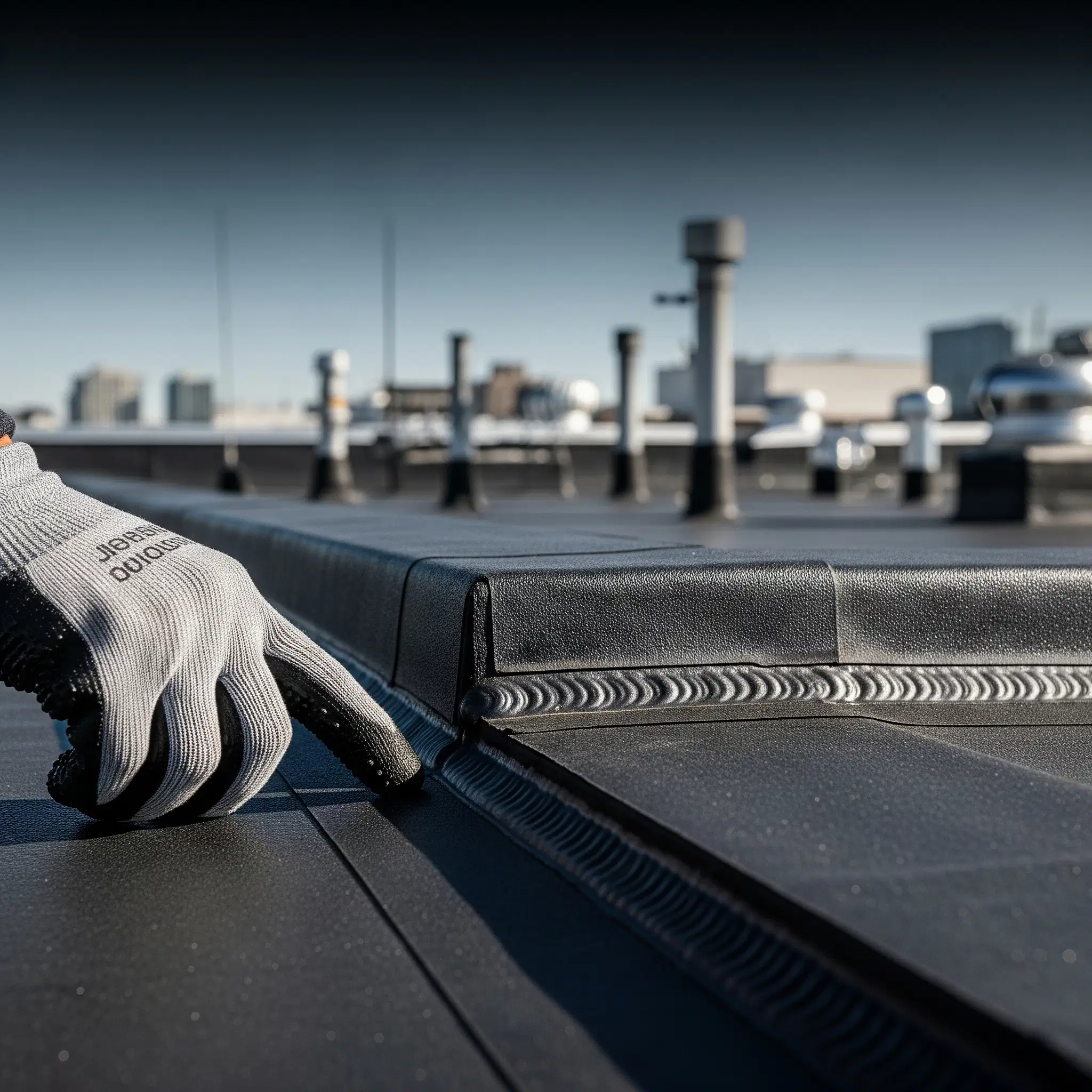
One of the most significant pvc membrane benefits for food service buildings is its heat-welded seams. Instead of relying on tapes or adhesives—which can also break down when exposed to grease and chemicals—the seams of a PVC roof are welded together using hot air. This creates a monolithic, watertight bond that is often stronger than the membrane itself. For a detailed breakdown of how this system is installed and its long-term benefits, you can explore our comprehensive PVC Roofing services.
Additionally, PVC roofs are highly reflective. In the heat of our humid summers, a white PVC roof reflects a significant portion of the sun's UV rays away from the building. This "cool roof" effect greatly reduces the workload on the building's HVAC system. For a restaurant that is already generating immense internal heat from ovens and stoves, reducing the radiant heat from the roof can lead to substantial savings on monthly energy bills. It is an environmentally friendly choice that directly benefits your bottom line.
Routine Maintenance and Navigating Local Regulations
Even the most resilient roofing systems require proactive care. Installing a chemical-resistant membrane is step one, but ensuring your rooftop grease traps are regularly emptied and maintained is step two. Catch-pans and grease containment systems should be inspected frequently to prevent them from overflowing onto the membrane.
When routine inspections are prioritized, minor issues can be addressed before they require massive capital expenses. Finding a small puncture or an overflowing grease trap early means you may only need a targeted roof repair rather than a complete tear-off and replacement.
Navigating local building codes and historic preservation guidelines—especially if your commercial property is located in older districts like OTR—can be a daunting process. Stricter enforcement of building codes regarding wind-resistance and fire safety means that having a knowledgeable local partner is non-negotiable. Homeowners and property managers alike are often skeptical of out-of-state contractors who disappear after a job is done. Partnering with a dedicated, locally owned company ensures that your installation meets all regional regulations and that your warranty is backed by a team that remains in your community long after the project is completed.
Secure Your Commercial Investment
Your commercial property is a massive investment, and the roof is its first line of defense. For food service operations, ignoring the unique chemical stresses placed on your building can lead to disastrous financial consequences. By choosing a material specifically designed to withstand grease, heat, and harsh weather, you create a safer environment for your tenants and customers while securing your long-term revenue.
If you manage a restaurant or commercial kitchen in the Tri-State area and are concerned about the current state of your roofing system, it is time to bring in local experts you can trust. Turner Roofing Solutions has the experience, the skilled workforce, and the high-quality materials required to protect your business. Contact us today to schedule a thorough inspection and discuss how a modern, durable roofing system can safeguard your property for decades to come.