Spotting Hidden Commercial Flat Roof Leaks Before They Cost You
For commercial property managers and real estate investors in Cincinnati, a building's roof is one of the most critical assets to protect. Unlike steep-sloped residential roofs where water quickly sheds to the gutters, commercial flat roofs present a unique set of challenges. When a leak occurs on a sloped roof, the point of entry is often directly above the visible interior damage. Flat roofs, however, are a completely different story. Water can travel laterally across multiple layers of insulation and decking before finally revealing itself inside your building.
By the time you notice a drip from the ceiling of your retail space or office, the actual breach in the membrane might be dozens of feet away, and the water may have been pooling up there for months. This delay makes detecting hidden leaks in commercial flat roofs a significant challenge that can lead to massive unexpected expenses, severe disruption for your tenants, and major hits to your operating cash flow.
With our unpredictable Ohio Valley weather, transitioning rapidly from freezing winters with heavy snow accumulation to incredibly rainy spring seasons, commercial roofing systems are put under immense stress. Expanding and contracting materials can cause subtle seam separations or flashing failures. Catching these issues early is the key to protecting your investment and avoiding a total roof replacement before its time.
Why Flat Roof Leaks Are So Deceptive
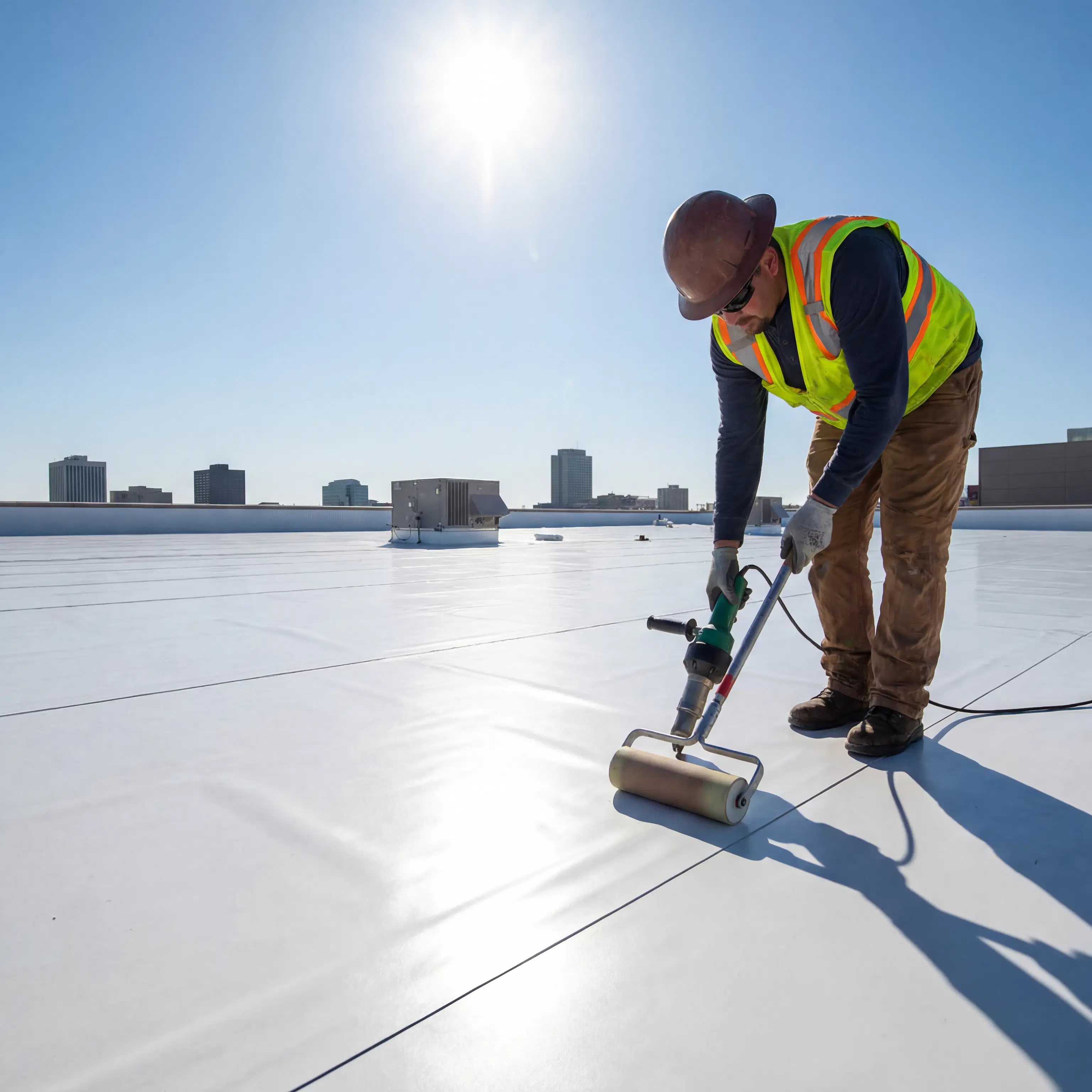
The primary reason flat roof leaks go unnoticed is the complex anatomy of the roofing system itself. A modern commercial roof isn't just a single sheet of material. It is a highly engineered assembly typically consisting of a structural deck, a vapor retarder, multiple layers of rigid insulation, cover boards, and finally, the waterproof membrane on top.
When a puncture or seam failure occurs, water breaches the top membrane and begins saturating the insulation beneath. Because this insulation is incredibly absorbent, it can hold hundreds of gallons of water without a single drop making it into the building below. This hidden moisture slowly degrades the structural integrity of the roof deck, promotes the growth of mold, and severely reduces the building's energy efficiency since wet insulation completely loses its thermal resistance (R-value).
If you wait until you see water dripping onto your inventory or your tenants' desks, you are likely already dealing with extensive internal rot and compromised materials. Being proactive means you can often resolve the issue with a targeted repair rather than dealing with the massive scheduling backlogs and cash flow drops associated with unexpected structural overhauls.
Common Signs of Water Intrusion Under Flat Roof Membrane
Since you cannot always rely on an obvious interior drip to alert you to a problem, you need to know what to look for both inside and outside your building. Routine visual inspections by your maintenance staff can catch many of the subtle signs of water intrusion under flat roof membrane before they escalate.
Interior Warning Signs Even if there isn't an active drip, pay close attention to the ceilings and upper walls of your top floor. Look for yellow or brown water stains on acoustic ceiling tiles, bubbling or peeling paint where the walls meet the ceiling, and unexplained musty odors. If your building's HVAC system is suddenly struggling to maintain temperature, it could be a sign that wet roof insulation is drawing heat out of the building during the winter or letting it in during the summer.
Exterior Warning Signs Walking the roof periodically is crucial. If you have an EPDM roofing system or another single-ply membrane, keep an eye out for blistering. These bubble-like deformations happen when trapped moisture heats up in the sun, expanding and pushing the membrane upward. You should also watch for ponding water—puddles that remain on the roof for more than 48 hours after a rainstorm. This indicates compromised drainage and often points to sagging insulation underneath, a prime indicator that the material is saturated. Finally, check all penetration points like HVAC units, vents, and skylights, as the flashing around these areas is the most common failure point.
Modern Commercial Roof Leak Detection Methods
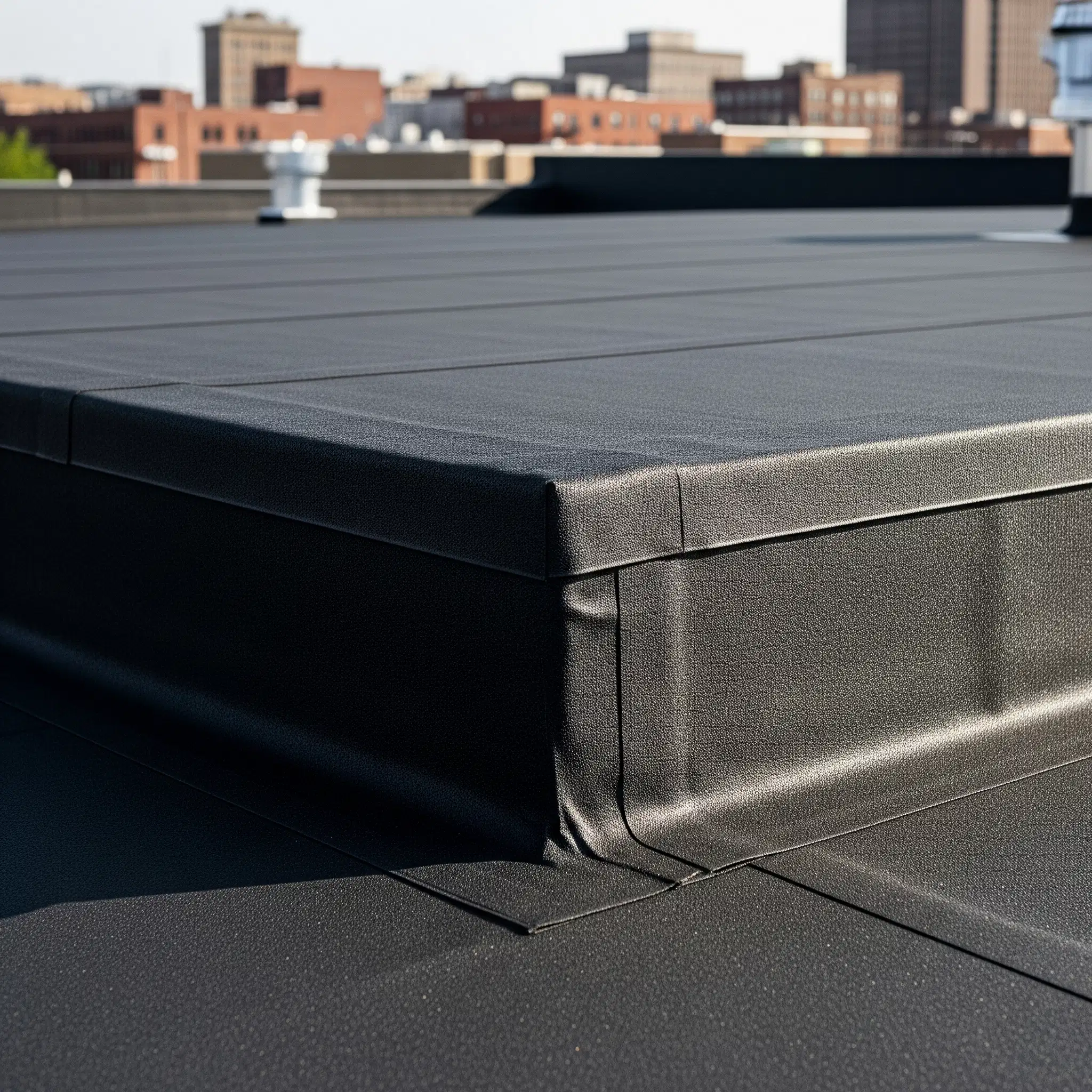
When subtle visual signs point to a problem, guessing where the water is coming from is a risky and expensive game. Traditional methods of finding leaks involved invasive core sampling—essentially cutting holes in the roof to see if the insulation was wet. Today, reputable contractors utilize non-destructive commercial roof leak detection methods that are far more accurate and protect your profit margins by pinpointing the exact scope of the damage.
One of the most effective tools is infrared thermography. Because wet insulation retains heat longer than dry insulation, a thermal imaging camera flown by a drone over your building just after sunset can clearly highlight the saturated areas. The wet spots will glow warmly on the camera, creating a precise map of the water damage hidden below the membrane. This technology allows roofing professionals to provide highly accurate, transparent quotes for targeted repairs, meaning you only pay to fix the damaged sections rather than replacing a larger area unnecessarily.
Electronic leak detection (ELD) is another advanced technique, particularly useful for finding microscopic punctures in the membrane. By running a low-voltage electrical current across a moistened roof surface, technicians can trace the exact point where the current grounds out through a breach in the waterproofing layer.
Protecting Your Commercial Investment
Managing a commercial property is demanding enough without the stress of sudden water damage. By understanding how water behaves on flat roofs and staying vigilant for the early warning signs, you can protect your tenants, preserve your building's structural integrity, and maintain a predictable maintenance budget.
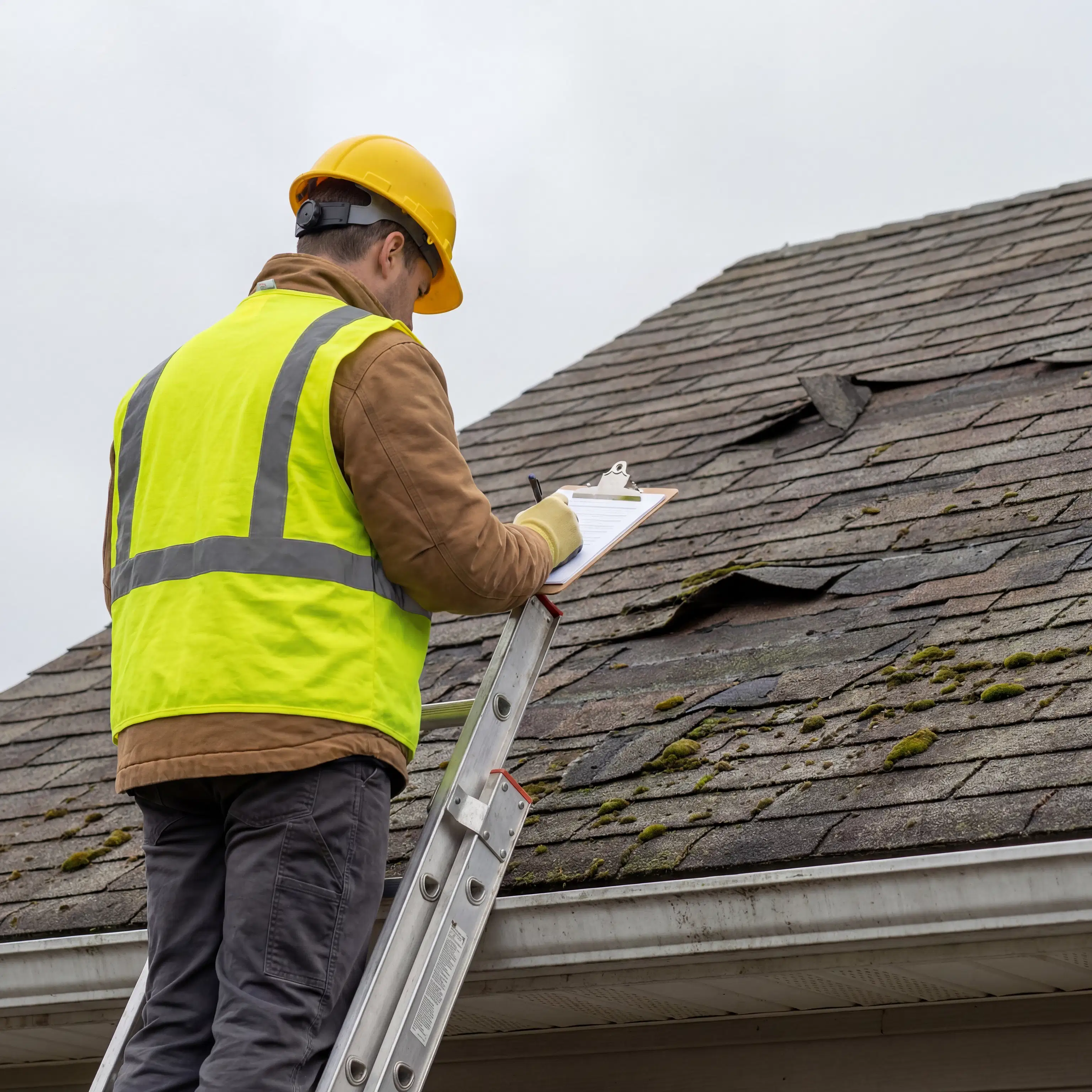
Don't wait for a minor hidden issue to turn into a major emergency. If you suspect moisture might be compromising your commercial roof, the best course of action is to have a professional assessment utilizing modern detection methods.
At Turner Roofing Solutions, we specialize in helping businesses across The Tri-State maximize the lifespan of their commercial properties. If you are experiencing issues or simply want to establish a proactive maintenance plan, explore our roof repair services today. Our expert team is ready to provide the accurate, transparent solutions you need to keep your business fully protected.